CLOUDX SYSTEMS BLOG
The Reality of Customer Fulfillment
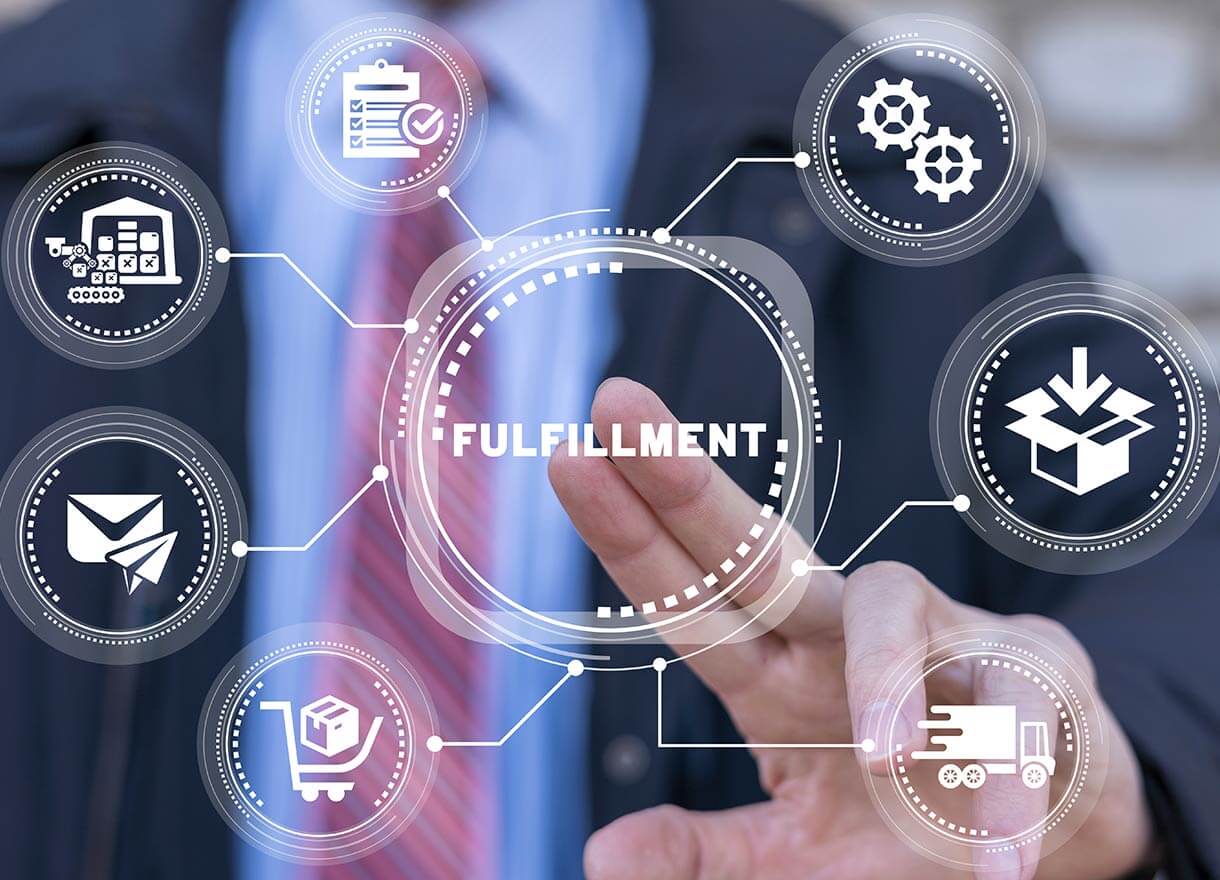
The retail industry is in various states of maturity in Omni-Channel commerce with the recognition that it is the future model of retail.
Technology is the Catalyst, Not the Solution
During the 1990's as the Enterprise Requirements Planning (ERP) solutions were developing to meet the needs of manufacturing and ultimately corporate management, the driver behind models like Just-In-Time manufacturing, process control manufacturing, and standardization of process for HR, finance, and others was the ACTUAL technology in the form of an Enterprise Computing System. The methodology that made this work was called "Packaged Enabled Re-engineering". This approach, of using the system and its defined processes to change the organization to meet the system requirements was groundbreaking and led to massive improvements in manufacturing, inventory management, and quality. As markets changed eCommerce and Omni-Channel commerce technologies were envisioned, the approach that went to the market was very similar. Use an Omni-Channel Commerce system to make your supply chain and omni-channel selling and fulfillment efficient and effective. 17 years after the launch of the first omni-channel commerce platform, retailers are still trying to figure out how to make omni-channel work. The root cause of this is the belief that an "Omni-Channel" system is the Answer.
Solving Omni-Channel requires the service, not the system to be the highest value component with the system being a catalyst by:
- Being the On-Ramp for all SERVICES related to Omni-Channel Fulfillment.
- By creating a cloud platform Retailers could NEVER afford to build with a single system entry point, an entire global set of diversified and connected fulfillment and logistics services that can meet the needs of Retail Brand fulfillment.
- A Deep integration capability that enables cross-real-time integration of services for provisioning, use, and billing. Further, the Integration Capability also creates a single environment with pre-made integrations for most major systems and front-office environments.
"Box Moving" Matters
While a system can create dynamic routing algorithms on how to optimize fulfillment across a 1 to x multivariate distribution network enabled by real-time intelligence, world-class technology and operations, and perfect logistics, it does so in logical, or theoretical sense until the results are translated into actual supply chain steps, like pick, pack, and ship. In the modern era, customers most often buy based on a price range combination that includes customer experience and convenience. Where the buying experience is the promise, the order delivery is a demonstration of the promise fulfilled that reinforces the brand and trust.
Today's excellence in fulfillment for Retail Brands are hampered by many issues the most impactful being:
- Consistent Labor -- It is difficult to attract and retain hourly labor for fulfillment work in many areas of the US and world due to labor shortages, attractiveness of other fields and more. Even within the distribution industry, much of the labor goes to commercial providers, like 3PLs, freight forwarders and others, rather than private retail distribution. Labor trends suggest the problem will get worse over the next decade. This suggests that as retail brands focus more on customer acquisition and retention, they will likely look for viable partners with flexible solutions that allow them to align their competencies to the market.
- Fulfillment Infrastructure -- With the ebb and flow of supply issues during the global pandemic, economic swings that drive accordion-effect supply and demand issues, and the growth and changes in global demand, it is difficult to build a robust, efficient, and optimized distribution network that can grow and change with the market unless the volumes are high enough to justify the global build out to achieve better shipping and delivery options. Cross-border solutions were never that viable and as specialty brands have success, they become pejoratively expensive resulting in lowered customer satisfaction and market limitations. Retailers that expect to grow robustly will eventually need global growth and the cost of building the infrastructure will be very high. Today's options are limited.
- Enterprise Software Option -- One option is to buy an enterprise software package for warehouse management and work to adapt it to an Omni-Channel Fulfillment System. The cost of this is very high and requires a significant amount of specialized, real-time integration. The software is then implemented across every physical facility of the retailer fulfillment operation. Every time the company wants to extend reach, it will deploy the software, acquire facility space, and then physically implement that system for that one operation.
- 3rdParty Logistics Option -- Another option for the retail brand is to outsource the Omni-Channel Fulfillment to either a traditional 3rdParty Logistics Provider (3PL), or one of the cross-border eCommerce fulfillment companies that use a single system and then contracts with 3rd party warehouses to create capacity. Outsourcing like this may be effective for general purpose situations but often becomes expensive when the role the logistics service plays is out of their core, as is often the case with traditional, freight-based 3PLs. Smaller players that are building capacity networks rely on a relatively smooth volume curve to ensure they can add capacity to meet fulfillment needs. While theoretically viable, the reality is very different, and the quality and consistency are often the first ones to go.
- Supply Chain Complexity -- Over the last thirty years, the US Global Domestic Product, the primary measure of economic growth grew from about $1 trillion in 1970 to $23 trillion in 2023 while the world grew from $2.9 trillion to $96 trillion. In 1970, the US economy accounted for 37% of the global economy and today is 24%. The 35% difference over the fifty years is, partially, the result of globalization, growth of the industrial base outside of the US and European areas, and growth outside of the US happening faster than growth within the country. The result of this change began gradually and, prior to the global pandemic was accelerating at an accelerating pace. Post pandemic suggests this trend is continuing to accelerate but the models and approaches are changing making it hard to determine impact today. As a whole, the supply chain is actually stable but lacks supply resilience for things like global pandemics simply because it is less expensive to use Just-In-Time inventory methods from a corporate profit and cost model than it is to build significant resilience against global natural disasters. The challenge of supply chain complexity today is in the "downstream", or manufacturing to retailer to customer path. More specifically, the greatest challenge for retail fulfillment today is the Omni-Channel Fulfillment Path from "Stock to Customer"where that stock could be in multiple channels. This create some set of complexities for the branch store and its alternative delivery channels for the hyper local community while having a second set of complexities for order fulfillment outside of the branch store itself. For retailer brands to thrive they must manage and adapt their fulfillment approaches to effectively manage the complexity and cost of expanding their audience beyond the hyper local community. The maturity process for a retailer's global omni-channel fulfillment network must be dynamic and consider many trade-offs over time including:
- Transition from Cross Border Shipping to Regional / Local Options --Long term Omni-Channel profitability must include eliminating cross-border shipping complexity, cost, and time issues. Ensuring the Retail Brand has a strong and reliable cross-border shipping option is important, but as growth occurs, transitioning from cross-border to other, more effective options is critical.
- Effective Use of Store and Distribution Assets and Routing --Retailers must avoid developing multiple systems for the same use as they grow but this is often unavoidable in today's market. While some Omni-Channel Retail solutions enable dynamic order routing and the use of the Store asset to enable other delivery models, these models are often unprofitable. Moving forward, Retail Brands are likely to leverage the store as a showcase of products with expectations of customer fulfillment being less "store centrist" than today. Effective routing of orders to the most cost-effective fulfillment method, within a customer's acceptable time frame, is critical for long term profitability and success.
Retail brands must contend with the challenge of the evolution of the two major pillars of their business: Customer accusation and retention and fulfillment. While the largest "mega" retailers have the resources and focus, potentially, to manage this global dynamic themselves, most businesses must determine the appropriate focus within their business to drive and build their competence in one or the other to be able grow and prosper profitably. The strategy of "divide and conquer" with a strategic fulfillment partner may be the most effective method of large, medium, and small retailers over the next decade.
The options today are limited but they, too, are evolving. For most companies addressing global omni-channel commerce over the next decade, they will look at three major alternatives to build out their business model:
- Do It Themselves: Many retailers, of all sizes, will look to build out their own selling and customer reach and retention capabilities and their own fulfillment capabilities. They will typically do this by buying a software only solution and then configuring it and using it with the company's own operations. This often an expensive proposition to build it themselves, especially for global fulfillment
- Use a Logistics Service Provider: Today, 3rdParty Logistics Providers (3PLs) and other logistics service providers have offerings that help retailers with their supplier fulfillment, store fulfillment, and customer shipping needs. Most of these providers have a strong background in freight logistics execution and some store fulfillment. Only a small segment have specific retail distribution and eCommerce shipping or retail returns experience. The challenge becomes one of using multiple systems for fulfillment and the expense of expansion.
- Use an eCommerce Platform with Cross-Border: A final common option is for retail brands to look to an eCommerce "aggregator" including Amazon.com, etsy.com, or others. These providers can store product and provide retailers with an integrated storefront to use for eCommerce only selling and shipping. This can be effective form one country but limits the company to its primary geography making global shipping extremely expensive to fulfill.
While there are few comprehensive options in the market, the market, especially around logistics, is evolving. There is a new generation of specialized service provider that is emerging. This group appear to have the right qualities needed to be the kind of fulfillment partner that can enable retailers to focus and meet global customer needs.
CloudX Systems: The Emergence of the Global Omni-Channel Fulfillment Service Provider
A new generation of service providers are emerging that have the necessary experience and capabilities to a strategic partner to retail brands as they develop their vision and strategies for their path to customer profitability. This kind of provider will enable the Retail Brand to focus on customer acquisition and retention, while, simultaneously, enabling their customer fulfillment strategies whether they are build-it-themselves or outsource the operations today with an expectation of being able to provide any combination of insource or outsourced operations in the future.
While still evolving and emerging over the next few years, the key characteristics of this new generation of 3PLs, or better, Global Omni-Channel fulfillment Service Providers (GOFS) that will identify them from others are:
- Single System Entry Point (SSEP): One of the key characteristics of a GOFS provider is in their system technology. These are cloud-based, multi-tenant solutions that provide coordination and management of all fulfillment operations from inbound, pick, pack, ship, value added services, returns and more. The system is usable by the Retail Brand as a stand-alone system for their own operations and the same system is used for any outsourced services.
- Global Omni-Channel Fulfillment Network: A second key component is an existing and owned global fulfillment network that can be leveraged to meet the Client's global customer fulfillment needs with a single standard for quality, operations excellence, and cost management. The network is configurable and helps to eliminate the need for cross-border commerce costs with predictable and committed service levels for delivery.
- Advanced Services: A third key is the extension of advanced logistics and fulfillment services that are needed to meet the needs of the modern retail customer. Modular advanced services enable fulfillment personalization, organization, store and ultimate customer fulfillment, along with opportunities for rate and bulk sharing and cost reductions.
Unlike many 3PL and other fulfillment services, this category of provider has purpose-built their fulfillment and systems capabilities to manage the complexities of the global omni-channel customer path to profitability problem every retailer is facing. A provider like this is a partner to the retailer that has already built the omni-channel fulfillment capabilities the retailer would build if they could afford to do it themselves. Instead, they can get that system at an affordable and manageable cost they never have to build.
- What is Direct to Consumer Fulfillment (DTC)? Features Explained
- Best Fulfillment Software Features for Optimal Order Efficiency
- Inventory Control vs Inventory Management: What’s the Difference?
- Automated Picking Systems for Faster Order Fulfillment
- How to Improve Fulfillment Speed Without Sacrificing Accuracy
- How to Reduce Picking & Packing Errors in Your Warehouse
- The Benefits of Warehouse Management for Customer Experience
- How to Improve the Order Fulfillment Process & Reduce Errors
- 10 Techniques to Improve Inventory Accuracy in Warehouse
- 7 Warning Signs it’s Time to Replace Your WMS - CloudX Systems
- How to Choose the Right Warehouse Management System Software for Your Business
- 7 Common Inventory Mistakes Ecommerce Brands Make (And How to Fix Them)
- WMS Implementation in 60–90 Days: The Fast ROI Playbook for Modern DTC Brands
- How Apparel & Lifestyle Brands Scale Beyond 3PLs With Order Fulfillment Software
- Best Warehouse Management System for Fashion Brands: Why Operators Switch
- Modern vs. Legacy WMS: What Mid-Market Brands Should Know
- 5 Common Fulfillment Errors and How Logistics Software to Reduce Picking and Packing Errors Fixes Them
- 3 Fast Wins You Get Immediately After Launching a Cloud-Based WMS
- Why an API-first WMS Makes Integrations the Hidden ROI Driver in Modern Fulfillment
- Scaling Fulfillment from One Warehouse to Worldwide With Inventory Software for Multi-Warehouse Operations
- WMS for Fashion & Lifestyle: The Hidden Engine Behind Fast Fulfillment
- How Predictable WMS Pricing Helps You Scale Without Overhead: A Practical Guide to Modern WMS Pricing Models
- From Months to Days: How a Cloud-Based WMS Helps DTC Brands Onboard New 3PLs Before Peak Season
- Peak Season Doesn't Have to Mean Crisis: How Real-Time Inventory Visibility Protects Margins
- CloudX Systems to Exhibit at NRF 2026: Retail's Big Show in New York City
- How to Scale Your Logistics Operations Globally with Cloud-Native WMS
- Returns Management: Why Your WMS Could Be the Key to Customer Loyalty
- The Role of APIs and Microservices in Modern WMS Platforms
- From Inbound to Final Mile: How WMS Drives End-to-End Supply Chain Efficiency
- Unlock Supply Chain Agility with Modern SaaS Architecture
- CloudX Systems to Exhibit as Gold Sponsor at Element Logic’s Automation Innovation 2025
- What Is a Warehouse Management System (WMS)? A Complete Guide for Modern Supply Chains
- CloudX Systems Appoints Kevin Johnston as Chief Technology Officer
- 5 Signs Your Business Is Ready for a WMS Upgrade
- When Bad Systems Happen to Good Retailers
- Omni-Channel Fulfillment and Why It’s Important
- Key Principles of Designing The Omni-Channel Distribution
- What Is Omni-Channel?