CLOUDX SYSTEMS BLOG
Omni-Channel Fulfillment and Why It’s Important
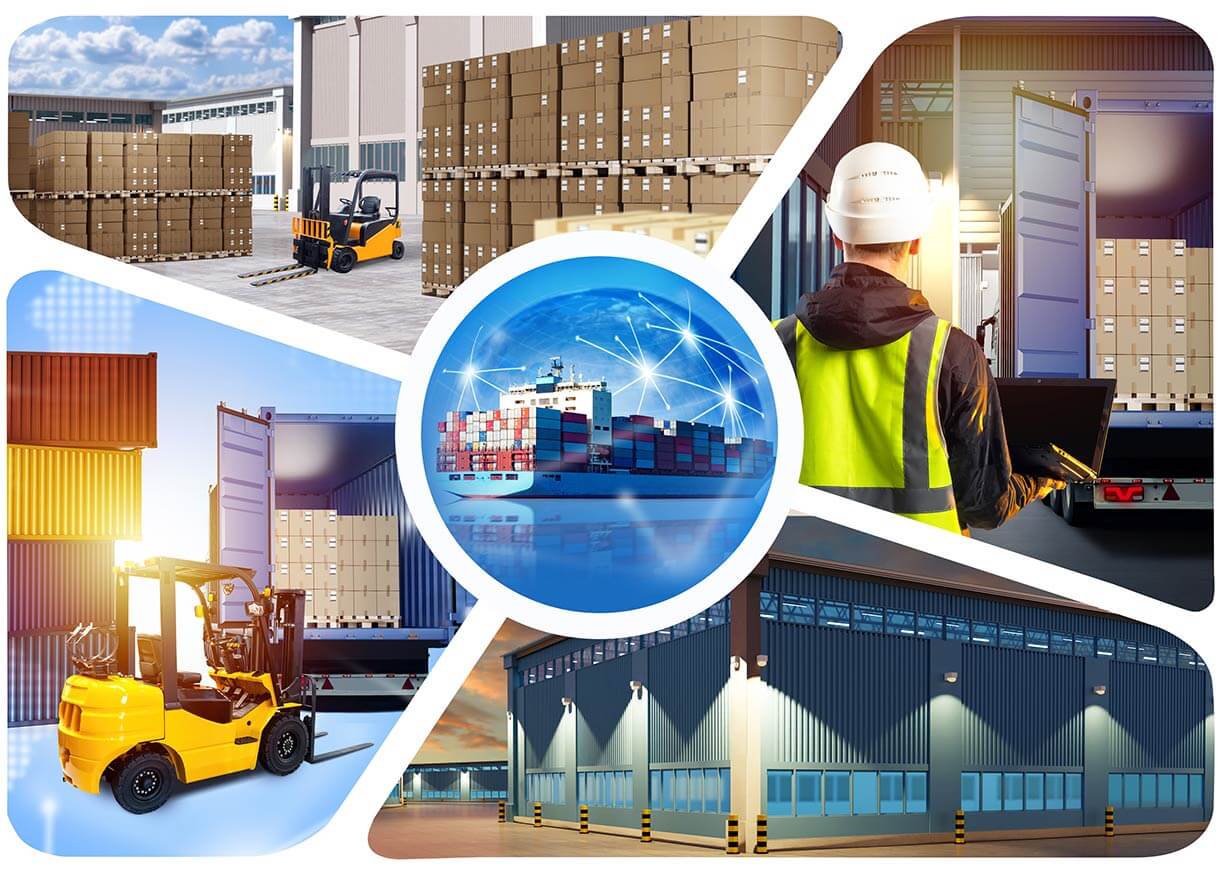
Savvy business owners and logistics providers are adjusting their processes and testing out various fulfillment processes, workflows and strategies (including omni-channel fulfillment) to accommodate and effectively meet the demands of an informed consumer base.
To help you scale, stay ahead of the competition and cope with growing consumer expectations, let's explore what omni-channel fulfillment is and why it is important.
What is Omni-Channel Fulfillment?
Omni-channel fulfillment is a centralized strategy that enables businesses to streamline and seamlessly execute the order fulfillment process (receive, warehouse, process, pick, package and ship customers' orders) across multiple channels. This strategy allows logistics providers to remain agile, optimize their fulfillment workflows and efficiently handle/dispatch orders received from multiple selling channels within a single facility.
Essentially, omni-channel fulfillment enables you to automate, simplify and speed up order fulfillment activities to increase customer satisfaction and boost your bottom lines in today's incredibly competitive marketplace.
A centralized approach to inventory management is a core tenet of omni-channel fulfillment. An integrated inventory tracking system allows businesses to redistribute and reallocate inventory to multiple channels, enabling customers to easily find, order and receive items via their preferred channel. As such, businesses don't have to set up separate order fulfillment infrastructures for individual sales channels.
The Importance of Omni-Channel Order Fulfillment
As e-commerce sales volume continues to grow, a lot of online stores now struggle to handle the growing number of customer orders they receive from multiple buying channels. The proliferation of consumerism is also making it difficult for e-commerce stores to enhance the customer experience while keeping bottom lines healthy. This is where an omni-channel fulfillment approach comes in. Let's take a look at a few of the biggest benefits of leveraging omni-channel fulfillment.
Reduces The Cost of Exploring Alternative Sales Channels
At its core, omni-channel fulfillment uses an integrated process to optimize logistics and supply chain operations to efficiently fulfill orders across multiple channels. This approach enables brands to reduce shipping time and enhance the customer experience by leveraging a hybrid delivery approach (for example, using physical stores as fulfillment centers). As such, brick-and-mortar retailers can expand into e-commerce without having to set up a new network of physical fulfillment centers and warehouses. They can use their already existing physical infrastructure to increase their online reach.
Boosts The Customer Experience
An omni-channel logistics strategy allows businesses to combine their inventories for online and offline sales channels and integrate the entire process into a unified entity. With this, you can provide customers with unrivaled access to inventory across all channels, real-time tracking options, and quick order fulfillment, thus creating a streamlined shopping experience. Improved customer experience leads to higher customer satisfaction, which translates into customer loyalty and increased sales.
Enables Flexible Fulfillment Options
Omni-channel order fulfillment avoids a linear fulfillment process (warehouse -- store -- end customer) in favor of a more agile and flexible workflow. Omni-channel fulfillment enables businesses to process and deliver orders via a combination of various channels, including:
- Store-to-customer
- Customer-to-store
- Warehouse-to-store
- Warehouse-to-alternative pick-up location
- Customer-to-warehouse
- Warehouse-to-customer
- Store-to-store
Allows Businesses To Explore New Sales Channels
A unified fulfillment process and integrated sales channels (both hallmarks of omni-channel fulfillment) make it easier for businesses to remain agile and optimally manage their supply chains for better cost and process efficiencies. Using a real-time warehouse management system and a holistic approach to fulfillment operations enables brands to explore new sales channels with ease.
- What is Direct to Consumer Fulfillment (DTC)? Features Explained
- Best Fulfillment Software Features for Optimal Order Efficiency
- Inventory Control vs Inventory Management: What’s the Difference?
- Automated Picking Systems for Faster Order Fulfillment
- How to Improve Fulfillment Speed Without Sacrificing Accuracy
- How to Reduce Picking & Packing Errors in Your Warehouse
- The Benefits of Warehouse Management for Customer Experience
- How to Improve the Order Fulfillment Process & Reduce Errors
- 10 Techniques to Improve Inventory Accuracy in Warehouse
- 7 Warning Signs it’s Time to Replace Your WMS - CloudX Systems
- How to Choose the Right Warehouse Management System Software for Your Business
- 7 Common Inventory Mistakes Ecommerce Brands Make (And How to Fix Them)
- WMS Implementation in 60–90 Days: The Fast ROI Playbook for Modern DTC Brands
- How Apparel & Lifestyle Brands Scale Beyond 3PLs With Order Fulfillment Software
- Best Warehouse Management System for Fashion Brands: Why Operators Switch
- Modern vs. Legacy WMS: What Mid-Market Brands Should Know
- 5 Common Fulfillment Errors and How Logistics Software to Reduce Picking and Packing Errors Fixes Them
- 3 Fast Wins You Get Immediately After Launching a Cloud-Based WMS
- Why an API-first WMS Makes Integrations the Hidden ROI Driver in Modern Fulfillment
- Scaling Fulfillment from One Warehouse to Worldwide With Inventory Software for Multi-Warehouse Operations
- WMS for Fashion & Lifestyle: The Hidden Engine Behind Fast Fulfillment
- How Predictable WMS Pricing Helps You Scale Without Overhead: A Practical Guide to Modern WMS Pricing Models
- From Months to Days: How a Cloud-Based WMS Helps DTC Brands Onboard New 3PLs Before Peak Season
- Peak Season Doesn't Have to Mean Crisis: How Real-Time Inventory Visibility Protects Margins
- CloudX Systems to Exhibit at NRF 2026: Retail's Big Show in New York City
- How to Scale Your Logistics Operations Globally with Cloud-Native WMS
- Returns Management: Why Your WMS Could Be the Key to Customer Loyalty
- The Role of APIs and Microservices in Modern WMS Platforms
- From Inbound to Final Mile: How WMS Drives End-to-End Supply Chain Efficiency
- Unlock Supply Chain Agility with Modern SaaS Architecture
- CloudX Systems to Exhibit as Gold Sponsor at Element Logic’s Automation Innovation 2025
- What Is a Warehouse Management System (WMS)? A Complete Guide for Modern Supply Chains
- CloudX Systems Appoints Kevin Johnston as Chief Technology Officer
- 5 Signs Your Business Is Ready for a WMS Upgrade
- The Reality of Customer Fulfillment
- When Bad Systems Happen to Good Retailers
- Key Principles of Designing The Omni-Channel Distribution
- What Is Omni-Channel?